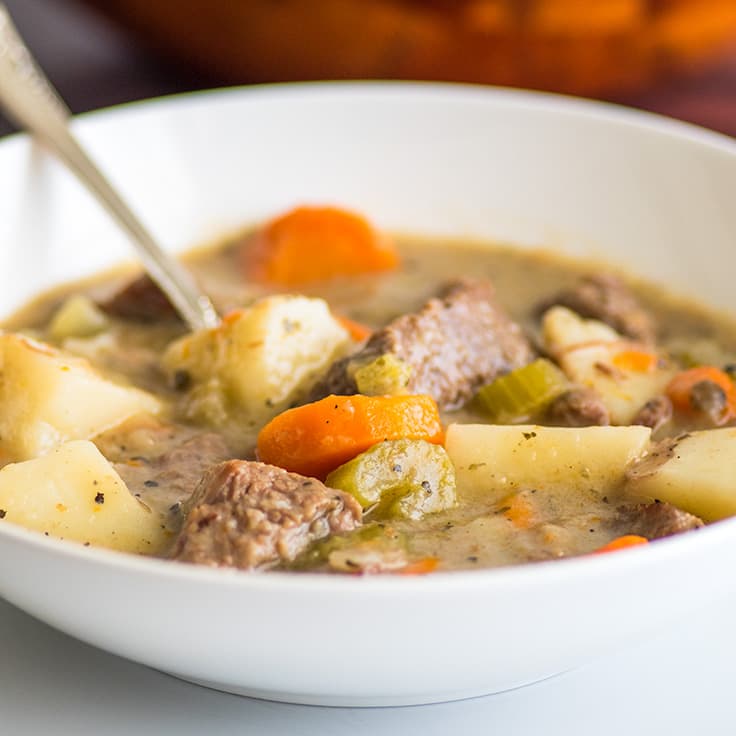
Mom's Secret Beef Stew: Truly Homemade Flavor, No Broth
There’s something undeniably magical about a bowl of rich, hearty beef stew, especially one that evokes memories of family dinners and the comforting embrace of a Sunday afternoon. For many, this quintessential comfort food is a taste of home, a culinary hug that warms from the inside out. But what if we told you that the secret to achieving that profound, truly homemade flavor doesn't come from a carton of store-bought broth or a packet of artificial seasoning? It comes from time, quality ingredients, and a simple approach that lets the natural flavors shine. Welcome to the world of
moms sunday beef stew, perfected with a "no broth" secret that will transform your kitchen into a haven of aromatic bliss.
This isn't just another stew recipe; it's a philosophy passed down through generations. A commitment to creating deep, complex flavors from scratch, relying on the inherent goodness of beef and vegetables, coaxed into perfection with a long, slow simmer. Forget everything you thought you knew about building a stew base, because Mom's secret lies in letting the ingredients speak for themselves.
Unlocking the Magic: The "No Broth" Secret to Truly Homemade Flavor
The notion of making a beef stew *without* beef broth might seem counter-intuitive to some, but it's precisely this omission that allows for an unparalleled depth of flavor in your
moms sunday beef stew. The secret isn't a lack of liquid, but rather the strategic use of water combined with the inherent richness of beef chuck and ample cooking time.
Here's why it works:
*
The Power of Beef Chuck: This cut of meat is rich in connective tissue, which, when cooked low and slow, breaks down into gelatin. This gelatin is what gives the stew its luxurious mouthfeel and contributes significantly to the savory, umami flavor profile that no artificial broth can truly replicate.
*
Natural Flavor Extraction: As the beef and vegetables simmer in water over several hours, their natural juices and essences are slowly released and mingle. The water acts as a carrier, absorbing these robust flavors and concentrating them into a self-made, incredibly delicious "broth" that is purely a product of your ingredients.
*
The Maillard Reaction: By flouring and browning the beef before adding liquid, you create a rich, caramelized crust. This isn't just for color; it's the Maillard reaction at play, a chemical process that develops hundreds of new flavor compounds, adding an essential layer of savory complexity to the final stew. This foundational step is often overlooked or rushed but is vital to the "no broth" method.
By foregoing pre-made broths, you avoid unnecessary sodium and artificial flavors, allowing the true, honest taste of a hearty, homemade stew to shine through. It's a testament to the idea that sometimes, less is truly more.
The Foundation of Flavor: Choosing and Preparing Your Beef
The quality and preparation of your beef are paramount to achieving that fall-apart tender, deeply flavorful
moms sunday beef stew. This is where many home cooks can make or break their stew, and Mom's wisdom guides us to the best choices.
*
Choose Beef Chuck Roast: The Unsung Hero
Skip the packages labeled "stew meat" in the supermarket. While convenient, these often contain an assortment of various cuts, leading to uneven cooking and inconsistent texture. For the best (and often most economical) results, always opt for a beef chuck roast. Chuck is marbled with fat and rich in connective tissue, making it ideal for slow cooking. It’s these elements that break down over time, yielding incredibly tender, succulent meat that practically melts in your mouth. Keep an eye out for sales, especially around holidays, and stock your freezer!
*
The Art of Preparation: Trimming and Cubing
Once you have your chuck roast, a little extra effort goes a long way.
*
Trim Silverskin: Look for silverskin, a thin, silvery-blue membrane on the surface of the meat. This tough tissue doesn't break down during cooking and can make your stew chewy. Carefully trim it away with a sharp knife.
*
Remove Large Fat Pockets: While some fat is good for flavor and moisture, large chunks can be unpleasant. Trim off any excessively large pieces, leaving a moderate amount for richness.
*
Even Cubes: Cut the roast into uniform 1 to 2-inch cubes. Consistency is key for even cooking, ensuring every piece of beef reaches that desired melt-in-your-mouth tenderness at the same time. This meticulous preparation sets the stage for a truly superior stew.
*
Alternatives for Tender Beef: If beef chuck is unavailable or you're short on time, boneless beef short ribs can be an excellent substitute. Their rich marbling and connective tissue offer a similar tenderness profile when cooked low and slow. *Remember: ensure they are boneless, as bone-in short ribs will require different cooking times and methods.*
*
The Flour Dusting: Before browning, lightly dust your beef cubes with flour. This step serves a dual purpose: it aids in achieving that beautiful, flavor-boosting brown crust (the Maillard reaction!) and acts as a natural thickener for the stew as it simmers, resulting in a rich, velvety consistency without needing a separate roux.
Building the Stew: Vegetables, Seasoning, and the Art of the Simmer
With the beef prepared, the next step is layering in the aromatics, vegetables, and crucial seasonings that complete this classic
moms sunday beef stew. Each component plays a vital role in building a harmonious flavor profile.
*
The Aromatic Base: Onions, carrots, and celery form the classic triumvirate for any good stew. Sautéing these foundational vegetables until softened creates a sweet, savory base that infuses the entire dish with depth. Feel free to add other root vegetables like parsnips or turnips for additional earthy notes.
*
Potatoes for Heartiness: For potatoes, red potatoes are often preferred for their waxy texture, which holds up well to long cooking without becoming overly mushy. However, Russet potatoes can also be used if that’s what you have on hand, though they may break down a bit more, contributing to a thicker stew. Cut them into similar-sized chunks as your beef for even cooking.
*
Herbs and Spices: The Soul of the Stew
Beyond the main ingredients, a carefully selected blend of herbs and spices is what truly elevates the flavor. Basil, oregano, and bay leaves are classic choices that impart an earthy, aromatic quality reminiscent of traditional home cooking. These simple herbs, when given time to meld, contribute significantly to the stew's character.
*
The Unsung Hero: Salt!
This cannot be stressed enough: salt is absolutely critical for drawing out and enhancing the flavors in your stew. Without enough salt, even the best ingredients will taste flat. You will be surprised by how much salt a large pot of stew, especially once potatoes are added (as they absorb a lot), can handle.
Practical Tip: Season the beef when browning, then add salt gradually as you build the stew. Taste and adjust your salt level at every significant stage – after adding vegetables, after adding liquids, and again near the end of cooking. This iterative approach ensures perfect seasoning.
*
The Long, Slow Simmer: This is where the magic truly happens. After combining all ingredients with water, bring the stew to a gentle simmer, then reduce the heat to maintain a very low, slow bubble. This extended cooking period, typically a couple of hours or more, is essential for breaking down the connective tissues in the beef, transforming it from tough to incredibly tender. It also allows all the flavors to marry and deepen into a rich, complex sauce. For those who prefer a hands-off approach, a slow cooker can be an excellent alternative, offering consistent low-and-slow cooking. Discover how to perfect it in our guide:
Mom's Slow Cooker Beef Stew: Easy Fall-Apart Tender Recipe. This patient method is key to achieving fall-apart meat and a deeply savory broth made purely from the ingredients themselves. Learn more about the science behind tenderness in
Perfect Sunday Beef Stew: Mom's Guide to Low & Slow Tenderness.
Perfecting Your Moms Sunday Beef Stew: Tips for Success and Serving
Crafting the ultimate
moms sunday beef stew goes beyond just following a recipe; it's about understanding the nuances and appreciating the final touches that make it truly exceptional.
*
Patience is a Virtue: The biggest mistake you can make is rushing the cooking process. Stew meat *needs* time. If your beef isn't fork-tender, it simply hasn't cooked long enough. Continue simmering until the meat offers no resistance.
*
Cool Before Eating: This might sound counterintuitive, especially when faced with a steaming pot of deliciousness, but letting the stew cool slightly before serving is crucial. Not only does it prevent burned mouths, but it also allows the flavors to deepen and meld even further as the temperature drops. The texture also improves, becoming richer and more cohesive.
*
Serving Suggestions: While the stew itself is a complete meal, a few accompaniments can elevate the experience.
*
Crusty Bread: Absolutely essential for soaking up every last drop of that glorious, rich sauce. A warm baguette or a rustic sourdough works perfectly.
*
Cheddar Scones: For an extra special touch, warm cheddar scones provide a delightful counterpoint to the savory stew.
*
Roasted Vegetables: If you desire more greens, roasted broccoli or green beans can be prepared separately and served alongside, adding a fresh texture contrast without overcooking them in the stew itself.
*
A Simple Salad: A light, crisp green salad with a vinaigrette dressing can cut through the richness of the stew, offering a refreshing palate cleanser.
*
Leftovers are a Treat: This stew often tastes even better the next day as the flavors continue to develop and meld. Store any leftovers in an airtight container in the refrigerator for up to 3-4 days, or freeze portions for future cozy meals.
Conclusion
There you have it: the secret to Mom's truly homemade beef stew, a recipe that stands as a testament to the power of simple, quality ingredients and the magic of time. By embracing the "no broth" philosophy and allowing beef chuck, fresh vegetables, and classic seasonings to work their slow-cooked wonders, you'll unlock a depth of flavor that's both deeply satisfying and utterly authentic. This isn't just dinner; it's a nostalgic journey, a hearty embrace, and the perfect centerpiece for your next
moms sunday beef stew dinner. So gather your ingredients, set aside the afternoon, and prepare to create a culinary memory that will warm hearts and satisfy appetites for years to come.